


Wrapping without wrapping paper: Creative and Sustainable
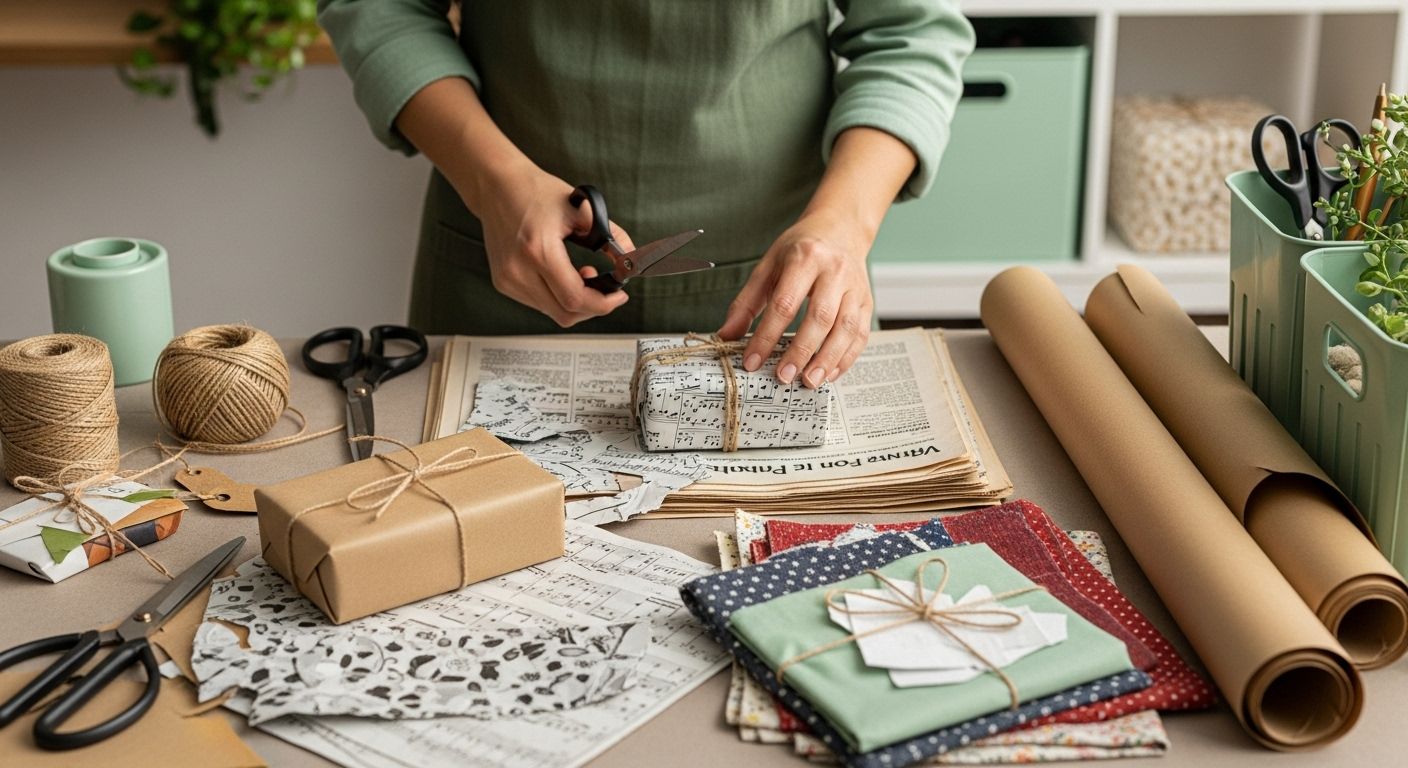
Wrapping gifts without standard wrapping paper sounds tricky and perhaps even a bit boring. However, it turns out you can do much more with simple household materials than you think. Did you know that the WWF recommends making gift wrap from recycled materials because this can significantly reduce waste ? Try creative and sustainable alternatives and discover how wrapping suddenly becomes a personal and unique experience.
Table of contents
- Step 1: Choose your packing materials
- Step 2: Select the correct packaging technique
- Step 3: Decorate your packaging with creative elements
- Step 4: Secure the packaging firmly
- Step 5: Add a personal message
Quick Summary
| Important Point | Explanation |
|---|---|
| 1. Choose reusable packaging materials | Use materials like old newspapers or fabric for sustainable packaging. These contribute to both environmental friendliness and creativity. |
| 2. Adapt techniques to your gift | Select packaging techniques, such as furoshiki, depending on the shape and material of your gift. This enhances its aesthetics and functionality. |
| 3. Decorate with unique elements | Add natural or recycled embellishments to give your gift a personal touch. This makes your packaging unique and meaningful. |
| 4. Confirm with sustainable methods | Use biodegradable tape or natural binding materials to securely and eco-friendly attach your gift. This ensures a neat finish. |
| 5. Add a handwritten message | Write a personal message in an original medium to give your gift emotional value. This strengthens the connection with the recipient. |
Step 1: Choose your packing materials
Choosing the right materials is the first crucial step in wrapping without traditional wrapping paper. This process revolves around creativity, sustainability, and finding alternative solutions that are both practical and environmentally friendly. You'll look for materials that you might otherwise throw away or that can be repurposed as packaging.
Start by taking inventory of the materials you already have at home. Old newspapers, magazines, maps, sheet music, or even decorative wallpaper can be great alternatives to standard wrapping paper. The WWF recommends using recycled materials as an effective way to reduce waste and stimulate creativity.
Make sure the materials you choose are sturdy enough to protect your gift. Textiles like old scarves, tea towels, or fabric scraps are not only decorative but also very functional. Recycled paper bags, newspaper, or even brown wrapping paper can add a rustic and personal touch to your gift. Avoid materials that are too thin or fragile, as these can tear or not protect your gift sufficiently.
It's also important to consider the size of your gift. Larger gifts require larger materials, while smaller gifts offer more flexibility. See our guide on basic gift wrapping materials for more detailed tips on material selection.
A smart tip is to choose materials that add a story or personal touch. An old map can be perfect for someone who loves to travel, while a sheet music can make great packaging for a music lover. By consciously choosing reusable and meaningful materials, you transform packing from a simple task into a creative and sustainable challenge.
Below you'll find a clear table of various sustainable and creative materials for wrapping gifts without traditional wrapping paper, including their characteristics and suitable applications.
| Material | Features | Suitable for |
|---|---|---|
| Old newspapers | Sturdy, easy to fold, recyclable | Almost all gift boxes |
| Magazines | Colorful, fashionable, less sturdy | Small, light gifts |
| Maps | Original, meaningful, decorative | Travel gifts, personal gifts |
| Sheet music | Creative, unique, a little more vulnerable | Musical gifts |
| Decorative wallpaper | Very sturdy, rich in patterns | Heavier or large gifts |
| Fabric (scarves, cloth) | Flexible, reusable, sustainable | Irregular shapes, furoshiki |
| Paper bags | Rustic, sturdy, good for folding | Gifts of various sizes |
Step 2: Select the correct packaging technique
After gathering your materials, the art of choosing the right packaging technique begins. Each technique requires a specific approach and skill to wrap your gift creatively and functionally. The right technique depends on the shape of your gift, the material you're using, and the desired presentation.
A popular and environmentally friendly method is the Japanese furoshiki technique, which uses a piece of fabric to elegantly wrap your gift without tape or scissors. Research by environmental experts shows that this technique is not only sustainable but also adds a personal touch to your gift. Start with a square piece of fabric large enough for your gift. Place your gift in the center and fold the fabric diagonally over the edges, making tight but not too tight folds.
For irregular items or small gifts, you can experiment with folding techniques that maximize your material. Old newspapers or magazines can be folded and folded into tight, geometric shapes that package your gift securely and attractively. Pay attention to the folds and edges, making sure they are crisp and neat. Our guide to small gift wrapping tips offers more detailed instructions for various shapes and sizes.
Another clever technique is origami-like folding, where you transform your material into a kind of envelope or cover. This method works particularly well with sturdy paper like old maps, music scores, or magazine pages. Make precise fold lines, and if necessary, use a ruler or a smooth object to create sharp, clean folds. You can also add small embellishments or labels to give your packaging extra personality.
Remember that perfect packaging isn't just about covering your gift; it's also about telling a story. Every fold, every crease is an opportunity to showcase your creativity and make a sustainable statement against disposable packaging.
This table summarizes the most important packaging techniques for sustainable packaging, including material, level of difficulty and best application scenario, so you can quickly choose the right method.
| Technology | Suitable material | Difficulty | Ideal for |
|---|---|---|---|
| Furoshiki | Fabric, scarves, tea towels | Average | Irregular shapes |
| Fold tightly | Newspapers, magazines | Comfortable | Small, straight objects |
| Origami cover | Sturdy paper, maps | Challenging | Gifts with straight shapes |
| Envelope folding | Music scores, magazines | Average | Flat gifts |
| Loosely fold with ribbon | Wallpaper, gift bags | Comfortable | Large or heavy gifts |
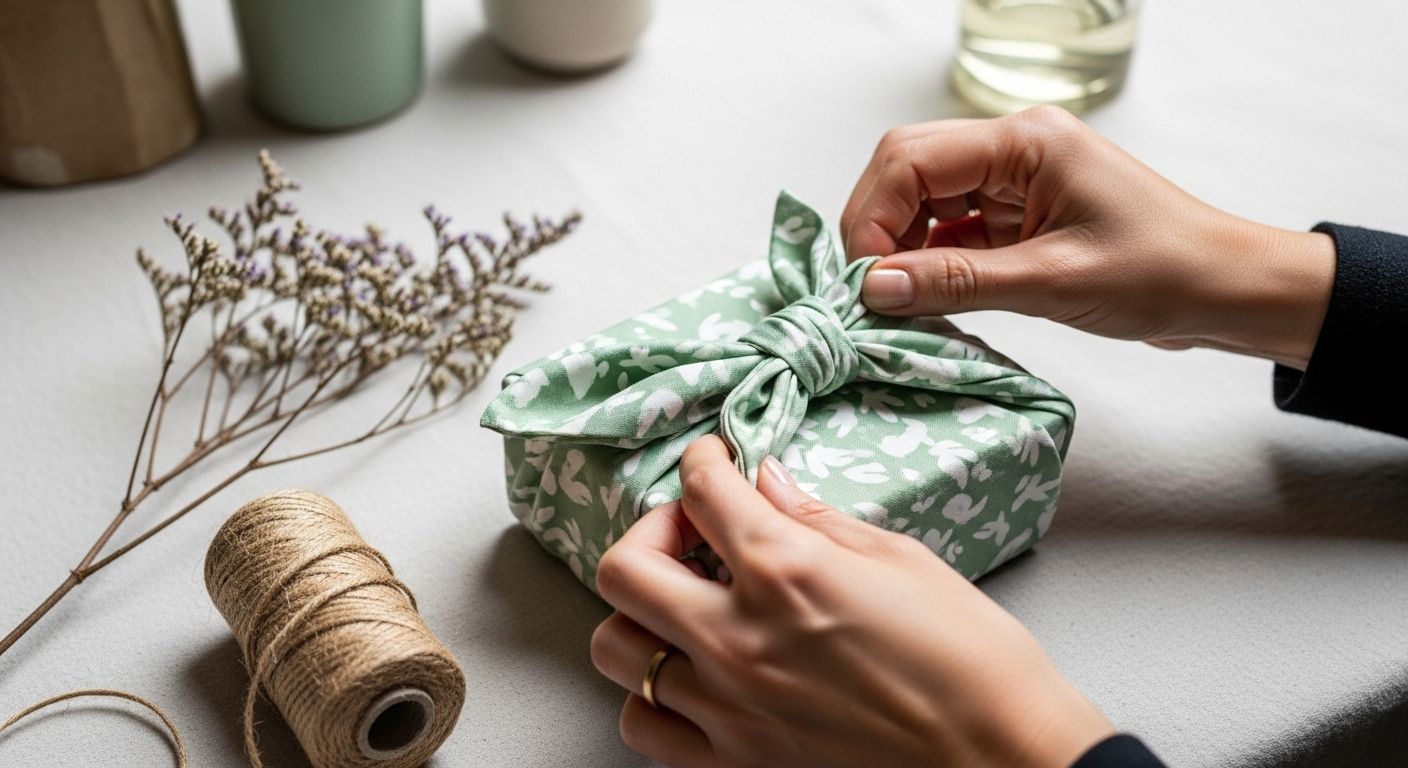
Step 3: Decorate your packaging with creative elements
After choosing your material and packaging technique, decorating your gift is the final step in creating a truly personal and unique gift. This is where your creativity truly takes flight, transforming your packaging from a simple wrapping to a work of art in its own right.
Start by gathering natural decorations you probably already have at home. Dried leaves, small twigs, feathers, or even dried flowers can make great decorative elements. They not only add organic texture to your wrapping but also make each gift unique. Use a strong glue or even a needle and thread to secure these natural elements. Check out our tips for festive wrapping ideas for more inspiration on decorating techniques.
Another great decorating method is using secondhand or recycled materials . Old buttons, stamps, cards, or even small newspaper clippings can make beautiful accents. Pay attention to the color combination and ensure the decoration complements the spirit of your gift. Experiment with different layers and textures to create depth and visual interest. Some people prefer a minimalist design with just a single decorative element, while others prefer a more ornate, artistic approach.
For those who love personalization, handwritten labels and tags are a great option. Use beautiful calligraphy or a unique signature to add a personal message or the recipient's name. Old postcards, music scores, or vintage book covers can be cut out and transformed into unique tags. Make sure your tags are sturdy and neatly attached to your packaging.
Remember that the art of decorating is all about authenticity and personal expression. There's no right or wrong way to decorate your gift. It's about telling a story, conveying an emotion, and showing the recipient how much effort and love you've put into your gift.
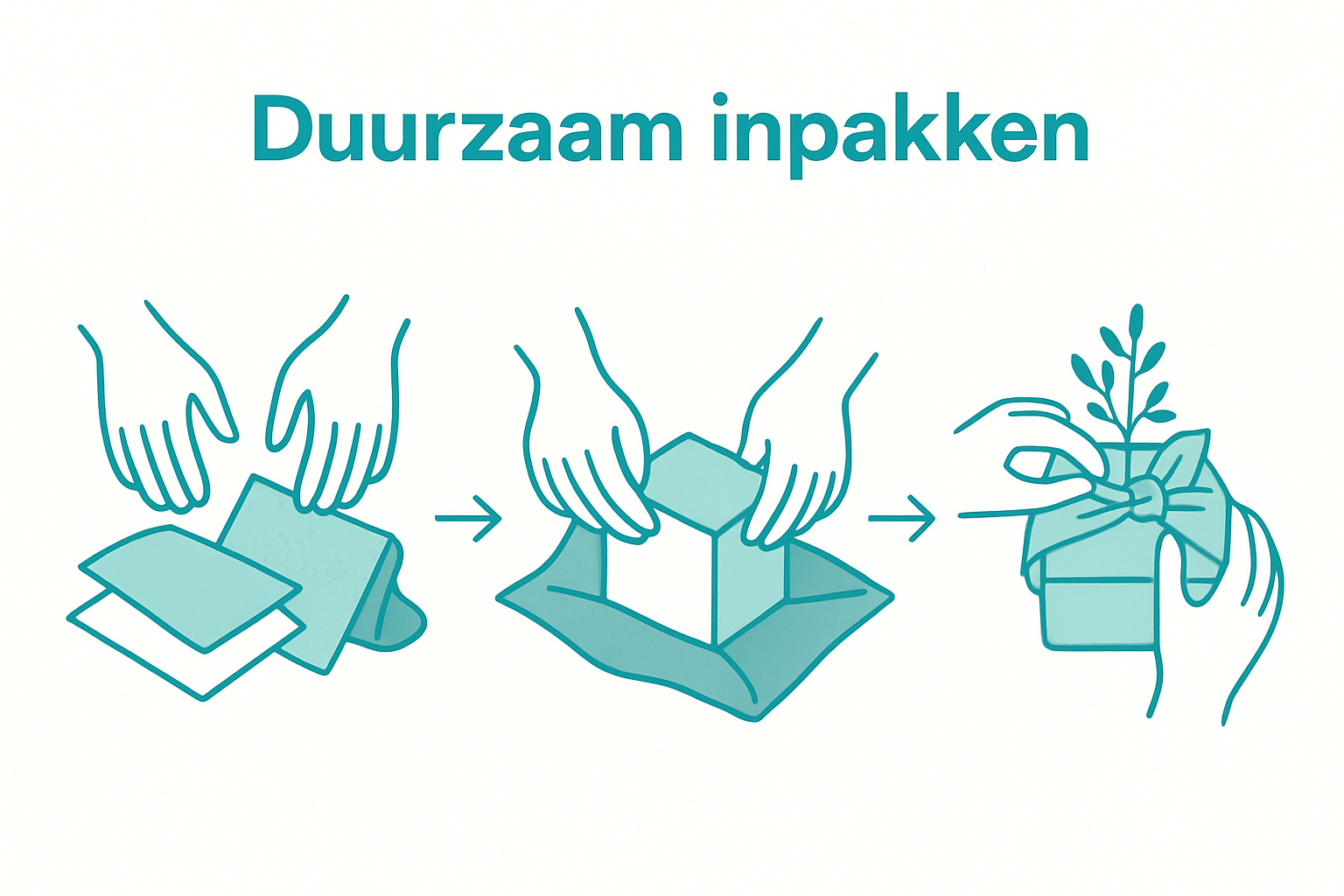 Every decorative choice is a small expression of your creativity and care.
Step 4: Secure the packaging firmly
After carefully selecting materials and creatively decorating, properly securing your packaging is crucial for protecting your gift and preserving your artistic endeavors. It's not just about securing it, but about doing it in a way that's both functional and environmentally friendly.
Natural fastening methods are key to sustainable packaging. Instead of traditional plastic tape, you can experiment with biodegradable alternatives. Research on sustainable packaging methods suggests using washi tape , made from Japanese rice paper, or easily recyclable paper tape . These materials are not only effective but also add a touch of craftsmanship to your packaging.
A traditional and sustainable technique is using natural binding materials . Think of cotton or jute twine, wool yarn, or even dried plant stems. These methods work particularly well with packaging made of fabric or sturdy paper. Pay attention to the way you tie and tie: make sure your binding is secure but not too tight, to avoid damaging your packaging or the gift itself. A beautiful, carefully crafted bow can even be part of the decoration.
Irregular items or boxes require extra care. Fold the ends of your wrapping neatly and tightly , without any excess material. If necessary, use small origami-like techniques to secure the ends. Our packaging guide offers more detailed instructions for different shapes and sizes. Make sure your folds are firm and symmetrical to ensure your gift stays well-protected.
The ultimate goal is packaging that is not only practical but also tells a story. Every knot, every fold is a small work of art that reflects your care and creativity. After attaching it, check that your packaging is sturdy enough to be moved without coming loose, yet easy to open for the recipient. You'll succeed if your packaging is both functional and visually appealing.
Step 5: Add a personal message
Adding a personal message is the ultimate finishing touch that transforms your gift from an ordinary object into a sentimental gift. A carefully chosen word or handwritten message can have a greater impact than any decoration, as it speaks directly to the heart of the recipient.
Start by selecting the right medium for your message. Old postcards, sheet music, recycled book pages, or even small scraps of fabric can serve as unique mediums for your personal message. Check out our guide to creative gift bag contents for more inspiration on choosing the perfect medium. Pay attention to the quality of the paper or material and ensure your message is clearly legible.
Authenticity is key when writing your personal message. Avoid clichés and generalities. Write from the heart and recall specific moments or memories you share with the recipient. A personal anecdote, an inside joke, or a reminder of a shared experience makes your message much more meaningful than a standard congratulatory message. Use beautiful, legible handwriting or experiment with different calligraphic techniques to give your message extra character.
Consider the design and placement of your message. It can be written directly on the packaging, attached to a separate card, or even hidden as a surprise inside the gift. Some people prefer a subtle approach where the message is only discovered after the gift is unwrapped. Others prefer a more direct approach with a prominent, visible message. Choose the method that best suits the recipient's personality and the nature of your relationship.
Remember that a personal message is more than just words. It's an expression of connection, care, and attention. Whether you write a short poem, share a memory, or simply say "I love you," make sure your message is sincere and heartfelt. It's not the length or perfection that matters, but the emotion behind it.
Discover all our sustainable packaging solutions at Kadopapier.net
Are you inspired by the creative and eco-friendly wrapping methods in the article? You want to wrap your gifts in an original and responsible way, but perhaps you're missing that one sturdy sheet of wrapping paper, the perfect ribbon, or a decorative element to make your gift truly unique. Many of our visitors are looking for wrapping materials that are versatile, sustainable, and professional-looking—exactly what you need for that truly personal touch. At Kadopapier.net, you'll find a wide range of reusable wrapping paper, luxury gift bags, and natural ribbons. These solutions directly align with the tips in the article and help you present every gift sustainably and stylishly.
Looking for inspiration and quality products for creative packaging? Dive into our collection at Kadopapier.net and browse our wide range of wrapping paper and gift bags . Choose the materials and accessories that suit your style and make every gift special. Experience the convenience of quick ordering and don't miss this opportunity to improve your sustainable wrapping skills!
Frequently Asked Questions
How do I choose the right materials for sustainable packaging?
To choose the right materials for sustainable wrapping, consider reusable or recyclable materials like old newspapers, magazines, fabric scraps, or even artwork. Make sure the materials are sturdy enough to protect your gift.
What is the furoshiki technique and how do I use it?
The furoshiki technique is a Japanese method of wrapping a gift using cloth without tape. You place your gift on a square piece of fabric and fold the edges over the gift. This is a sustainable and stylish wrapping technique.
What are some creative decorations I can use for my packaging?
Some creative embellishments include dried leaves, small twigs, or recycled materials like buttons and stamps. These add a unique and personal touch to your packaging.
How do I ensure my packaging stays in place?
You can make your wrapping sturdy by using natural fastening methods like jute or cotton twine instead of plastic tape. Make sure your knots and bows aren't too tight to prevent damage to the gift.