


Eco-friendly gift wrapping: sustainable and stylish wrapping
More than 60 percent of all European consumers now actively consider the sustainability of packaging when making purchases. For every retailer in Central Europe looking to reduce their environmental impact, choosing eco-friendly gift packaging not only results in a cleaner planet but also satisfied customers. Discover smart, stylish, and practical packaging materials that effortlessly align with your sustainable retail vision.
Contents
- Step 1: Select ecological packaging materials
- Step 2: Use reusable or recyclable decorations
- Step 3: Wrap the gift carefully and efficiently
- Step 4: Check durability and presentation
Short Summary
| Key position | Explanation |
|---|---|
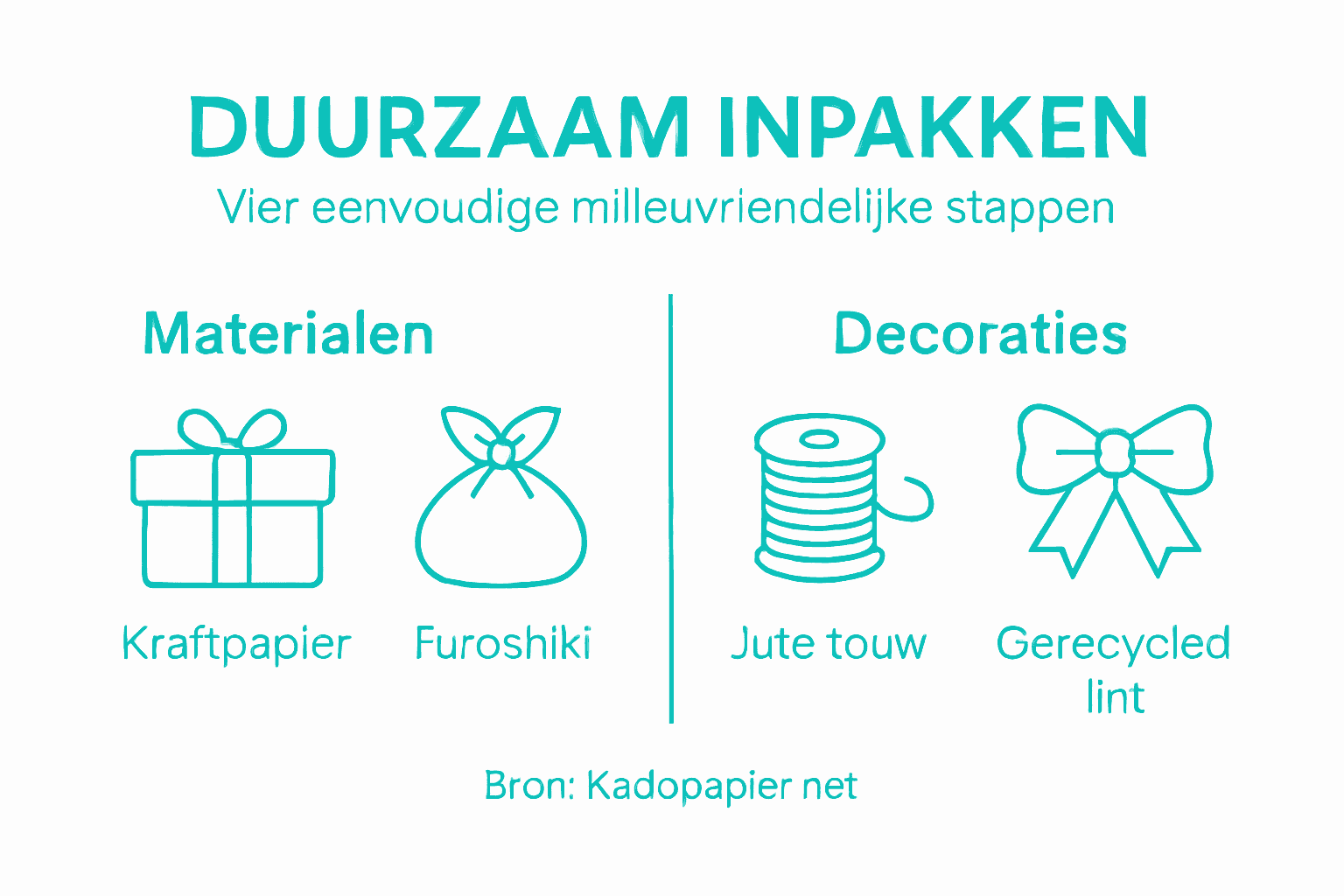
| 1. Choose ecological packaging materials | Use materials that are recyclable and biodegradable, such as kraft paper or bamboo fibers. |
| 2. Use reusable or recyclable decorations | Choose decoration materials such as natural fibers or reusable bows to reduce waste. |
| 3. Apply sustainable packaging techniques | Experiment with techniques like furoshiki for a creative and eco-friendly way to pack. |
| 4. Check durability and presentation | Evaluate the end result for cleanliness and recyclability to minimize impact. |
Step 1: Select ecological packaging materials
Choosing eco-friendly packaging materials is all about making a conscious choice that respects both the planet and your gift. The European Union recently adopted new legislation for sustainable packaging, encouraging us to critically examine our packaging choices.
Start by selecting materials that are recyclable and biodegradable. Consider kraft paper made from recycled materials, reusable linen cloths, or bamboo fibers that grow quickly and have a low environmental impact. Avoid plastic or multi-layered packaging that is difficult to recycle. Look for materials with a low carbon footprint and preferably locally produced.
Always verify the origin and production conditions of your packaging materials. Choose suppliers who are transparent about their sustainability efforts and demonstrably employ environmentally friendly practices.
Pro tip: Experiment with reusable packaging like fabric furoshiki cloths or decorative boxes that can become part of the gift itself.
Here is an overview of environmentally friendly packaging materials and their properties:
| Material | Why environmentally friendly? | Application in gift wrapping |
|---|---|---|
| Kraft paper | Recycled and biodegradable | Basic packaging, wrapping |
| Linen cloth | Reusable, local production | Furoshiki, decorative wrap |
| Bamboo fibers | Rapidly renewable, low carbon footprint | Ribbons, small accessories |
| Recycled cardboard | Reduces waste, easy to recycle | Boxes, sturdy base |
Step 2: Use reusable or recyclable decorations
Choosing sustainable decorations is a crucial step in creating eco-friendly gift packaging. The SUP scheme promotes reusable alternatives and encourages us to think critically about our decoration choices.
Choose decoration materials that can be reused or easily recycled. Consider ribbons made from natural fibers like cotton or jute, decorative linen cloths, or reusable bows made from recycled textiles. Avoid disposable plastic ribbons or glittery decorations that are difficult to recycle. Materials like bamboo, recycled wood, and metal are excellent options that are both decorative and sustainable.
When selecting decorations, also consider the origin and production method. Look for local suppliers who are transparent about their sustainability practices and use materials that have a low environmental impact.
Pro tip: Collect a collection of reusable decoration elements that you can use on multiple occasions and exchange them creatively.
Step 3: Wrap the gift carefully and efficiently
Sustainable packaging is an art that combines creativity and environmental awareness. Japanese packaging techniques offer excellent alternatives to traditional disposable packaging and can help you be stylish and eco-friendly.
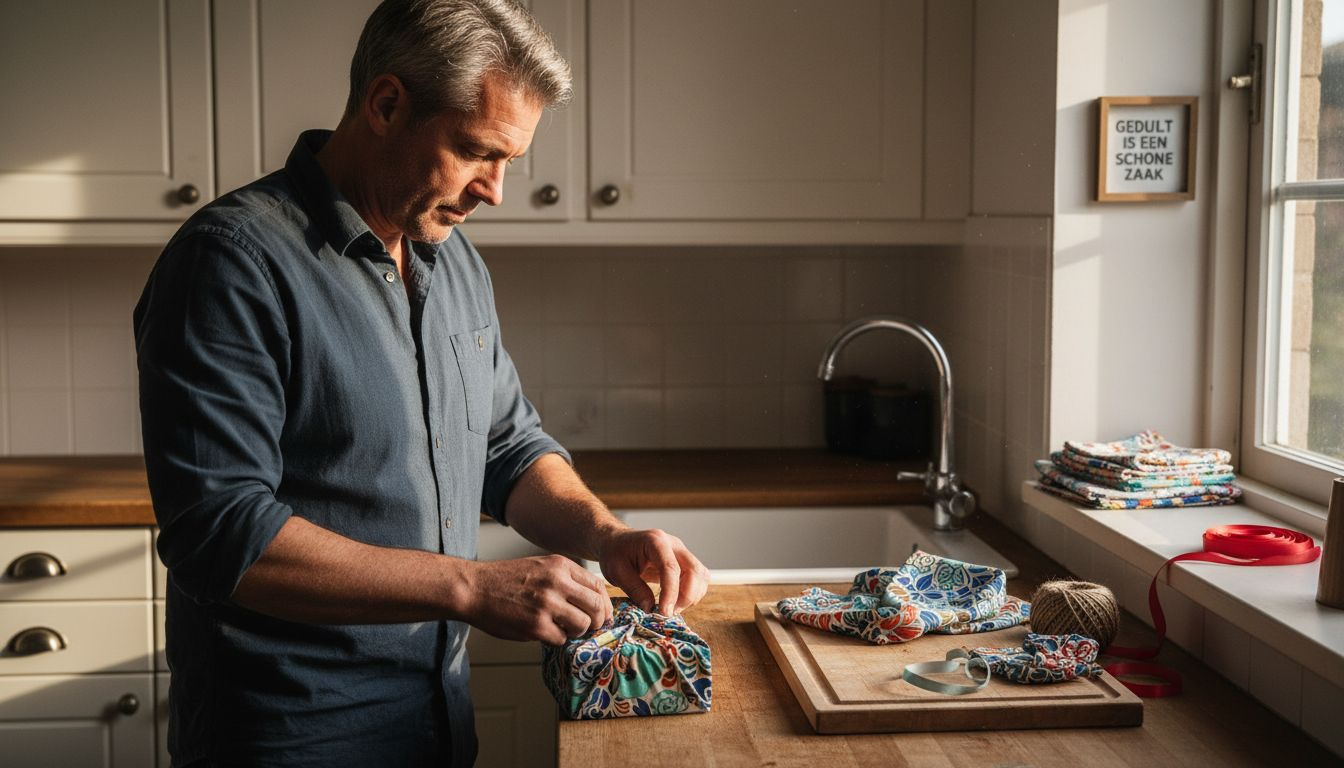
Start by gathering available reusable materials like old newspapers, wallpaper scraps, or fabric scraps. Carefully measure your wrapping paper to avoid waste and use sharp folds for clean corners. Avoid excess tape by using clever folding techniques that hold the paper in place. Ensure your material is smooth and wrinkle-free for a professional finish.
Try different wrapping techniques, such as the Japanese furoshiki method, where you use a cloth to wrap gifts without creating waste. This not only creates a unique result but also reduces your carbon footprint.
Pro tip: Save leftover wrapping paper and decorative elements for future gifts to reduce waste.
This diagram provides insight into various sustainable packaging techniques:
| Technology | Environmental benefit | Unique presentation |
|---|---|---|
| Furoshiki fold | Zero waste, reusable cloth | Original and creative |
| Use newspapers | Reusing old paper | Retro and cool |
| Folding wallpaper remnants | Minimizes waste material | Colorful effect |
Step 4: Check durability and presentation
The final step in eco-friendly gift wrapping is a careful evaluation of your final result. EU regulations for sustainable packaging emphasize the importance of critically examining our packaging choices.
Evaluate your gift's presentation by keeping the lines clean, the folds neat, and the decorations minimalist. Pay attention to details like a smooth fold, properly applied ribbons, and a clean finish. Check that the materials you use are recyclable and that you haven't added unnecessary layers of packaging. View your gift from different angles to ensure a professional and sustainable look.
If you have any doubts about the environmental friendliness of your packaging, ask yourself if each component is truly necessary. Reduce material use where possible and prioritize quality over quantity.
Pro tip: Photograph your wrapped gift against a neutral background to objectively assess its durability and aesthetics.
Sustainable and stylish gift wrapping with the right materials
Do you, like the article "Eco-friendly gift wrapping: sustainable and stylish wrapping," want to consciously choose eco-friendly and reusable packaging? It can be challenging to find the right balance between a beautiful presentation and a responsible choice. Selecting eco-friendly packaging materials that are recyclable and biodegradable requires a reputable supplier with a wide range of products. You also want to use sustainable decorations and efficient techniques without unnecessary waste.
At Kadopapier.net, you'll find everything you need to make your eco-friendly gift wrapping a success. Whether you're looking for kraft paper, linen wraps, recycled cardboard, or natural ribbons, you have immediate access to high-quality, sustainable products. Get inspired by our wide selection and choose packaging that's not only environmentally friendly but also stylish. Start improving your gift wrapping today and order easily through our webshop.
Discover our wide range and make the switch to sustainable wrapping today. Visit Kadopapier.net and find the perfect eco-friendly materials that fit your goals. Don't wait any longer and give your gifts the wrapping they deserve.
Frequently Asked Questions
What are ecological packaging materials?
Eco-friendly packaging materials are recyclable or biodegradable. Choose materials like kraft paper, linen cloth, or bamboo fibers when wrapping gifts.
How can I use reusable decorations for gift wrapping?
Use reusable decorations like natural fiber ribbons or decorative linen cloths. Collect various decorative elements that you can reuse for multiple occasions to promote sustainability.
What are some sustainable packaging techniques I can use?
Applying techniques like the Japanese furoshiki method helps minimize waste. Also, try using old newspapers or wallpaper scraps to wrap your gifts for a creative look.
How do I check the sustainability of my gift wrapping?
Evaluate your packaging for recyclability and the use of unnecessary layers. Ensure all materials are easily recycled and that you minimize the number of materials used.
Why is it important to pack environmentally friendly?
Eco-friendly packaging reduces your ecological footprint and contributes to sustainability. By making conscious choices, such as using recycled materials, you help reduce waste and create a positive impact on the environment.