


Red White Blue Ribbon: Symbolism and Uses Explained
Red, white, and blue ribbon instantly stands out in any shop or event. Shopkeepers in Central Europe know the importance of wrapping gifts not only stylishly but also with a meaningful message. These classic colors represent courage, peace, and freedom, bringing a sense of national pride to any presentation. In this article, you'll discover how red, white, and blue ribbon becomes more than just decorative and which materials and applications can enhance your shop collection.
Table of contents
- Red white blue ribbon: what does it mean?
- Ribbon variations and material types compared
- Applications for events and decoration
- Use and labeling in official situations
- Importance of quality and common mistakes
Key Points
| Point | Details |
|---|---|
| Symbolic meaning of the ribbon | The red-white-blue ribbon represents courage, purity, freedom and the history of the Netherlands. |
| Use and labeling | There are strict protocols for wearing ribbons on official occasions, especially awards. |
| Choose the right material | The quality of the ribbon influences the presentation; make conscious choices depending on the occasion. |
| Applications in decoration | Red, white and blue ribbons are versatile and widely used at events, weddings and national celebrations. |
Red White Blue Ribbon: What Does It Mean?
The red, white, and blue ribbon is more than just a decorative element—it carries a rich symbolic meaning deeply rooted in Dutch historical and cultural tradition. Historical sources reveal that these colors originally represented a complex social hierarchy.
The symbolism of these three colors is particularly profound:
- Red : Symbolizes courage, vitality and the strength of the common people
- White : Represents purity, peace and justice
- Blue : Represents freedom, trust and the noble tradition
Originally, the colors were even different. In early Dutch history, the shades were orange, white, and blue, which later evolved into the current red, white, and blue. This shift wasn't just aesthetic; it also had practical reasons—red hues were more visible at sea during maritime expeditions.
Below you will find an overview of the changes in colors and their implications throughout Dutch history:
| Period | Color combination | Historical motif | Impact on national symbolism |
|---|---|---|---|
| 16th century | Orange-white-blue | Royalist and maritime | Identity of the Prince of Orange, navy |
| 19th century - present | Red-white-blue | Practical and visible | National unity and recognition |
The Dutch tricolor is more than just a national flag or a decorative ribbon. It's a complex symbol that reflects the social dynamics, historical development, and national identity of the Netherlands. From official ceremonies to everyday decorations, the red, white, and blue ribbon tells a story of unity, diversity, and national pride.
Pro tip: When using a red, white, and blue ribbon, remember that you're not just wearing a decoration, but a piece of living Dutch history.
Ribbon variations and material types compared
Ribbons aren't all the same. Different materials offer unique properties that depend on their intended use and desired aesthetic.
The most common material types for ribbons are:
- Satin ribbon : High-gloss, soft and elegant
- Organza ribbon : Transparent and light, ideal for delicate decorations
- Grosgrain ribbon : Sturdy with a distinctive ribbed texture
- Cotton ribbon : Natural and environmentally friendly
- Metallic ribbon : Suitable for festive and luxury applications
Each material has specific characteristics that determine its suitability for different projects. Gold and silver ribbon are often used for special occasions , while vintage ribbons can add a nostalgic touch.
A handy overview of material types and their most suitable applications:
| Material type | Best Application | Visual effect |
|---|---|---|
| Satin ribbon | Ceremonies, wedding | Elegant, high-gloss |
| Organza ribbon | Flower decorations | Airy and transparent |
| Grosgrain ribbon | Medals, awards | Tight, ribbed structure |
| Cotton ribbon | Sustainable projects | Of course, matte |
| Metallic ribbon | Festive packaging | Striking, luxurious |
When choosing the right ribbon, it's important to consider factors such as durability, desired appearance, and specific project requirements. The width, color, and texture play a crucial role in the final result.
Pro tip: Experiment with different ribbon materials to find the perfect combination for your project.
Applications for events and decoration
Red, white, and blue ribbons are versatile decorative elements that are perfect for countless Dutch events and festivities. Satin ribbon offers particularly elegant decoration options for both formal and festive occasions.
Possible uses for red-white-blue ribbons include:
- Wedding decorations : Chairs, table decorations and bridal bouquets
- National events : Parades, King's Day and national commemorations
- Festive packaging : Gift and gift decorations
- Ceremonial decorations : Awards, distinctions and official gatherings
- Interior styling : Home decor and festive backgrounds
The use of these colors is not only decorative but also carries deep symbolic meaning. The combination of red, white, and blue represents Dutch identity and national pride, making these ribbons ideally suited for events celebrating Dutch culture.
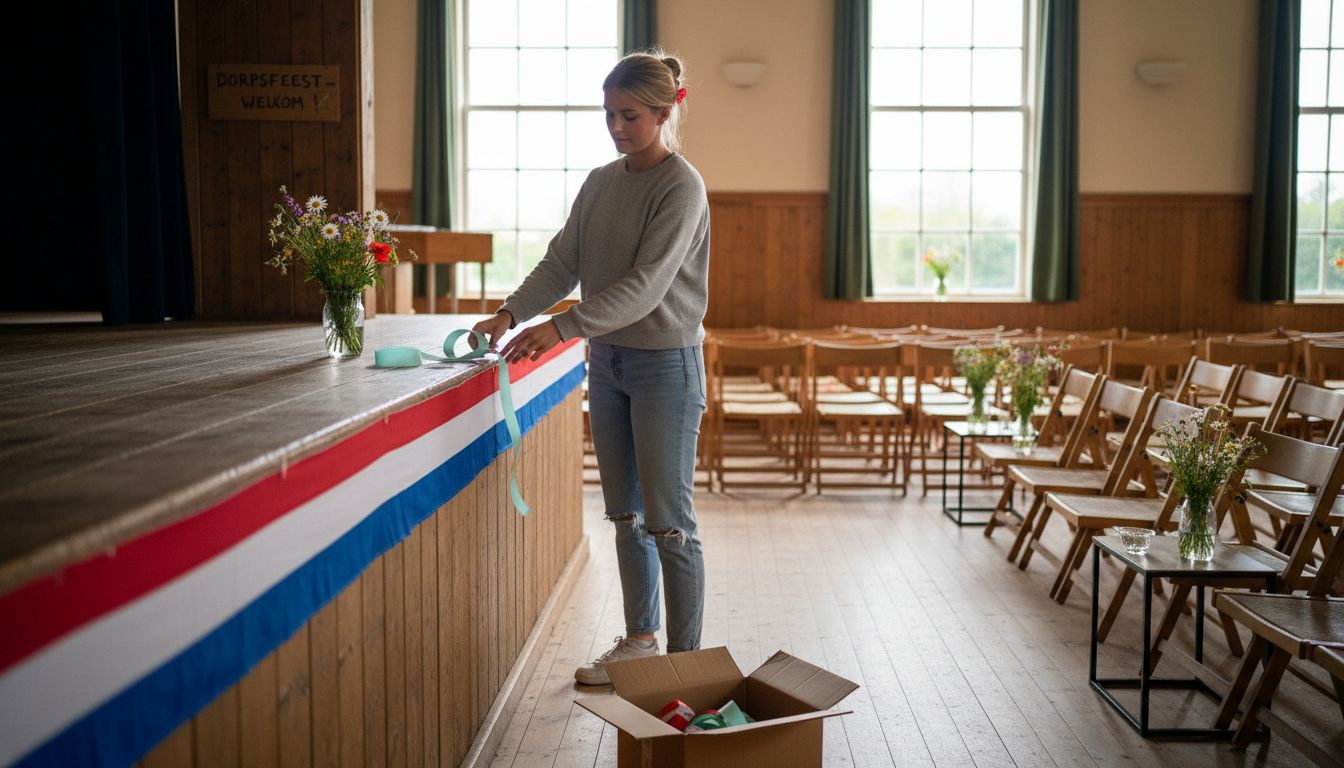
When choosing ribbons for specific applications, it is important to consider the context, desired appearance and practical aspects such as material type and quality.
Pro tip: Combine different ribbon widths and textures to create a dynamic, layered decoration.
Use and labeling in official situations
In official Dutch ceremonies and state occasions, the use of red-white-blue ribbons has a deep-rooted tradition with precise etiquette rules for wearing and presentation .
Important guidelines for official ribbon use include:
- Formal occasions : Strictly behave according to protocol rules
- Ceremonial Applications : Specific placement on clothing
- Awards : Correct order for multiple ribbons
- Daily use : Miniature versions for professional environments
- Dress code : Only worn with appropriate attire
The wearing of ribbons follows strict official protocols , with the context and occasion determining their correct presentation. During state occasions and official ceremonies, precise rules are followed for the visible and respectful wearing of awards.
The Dutch tradition is distinguished by detailed regulations regarding the use of ribbons and decorations, in which both the symbolic value and the visual presentation are of great importance.
Pro tip: Always consult official guidelines when wearing a ribbon or award at formal occasions.
Importance of quality and common mistakes
Quality is essential when using red, white and blue ribbons, with strict quality criteria playing a crucial role in effectiveness and presentation.
Common mistakes when using ribbon include:
- Wrong choice of material : Lack of attention to texture and durability
- Incorrect installation : Sloppy or unprofessional installation
- Color choice : Inappropriate shades for the occasion
- Quality differences : Use of cheap, quickly worn-out ribbons
- Symbolic Missteps : Unconscious Incorrect Use of Colors
A high-quality ribbon is distinguished by its perfect finish, appropriate color depth, and material strength. Choosing the right ribbon requires careful consideration of the context, occasion, and desired appearance.
Professional end-users pay close attention to details such as material composition, color fastness, and suitability for specific applications. A poorly chosen ribbon can undermine the entire presentation or message.
Pro tip: Invest in quality ribbons and pay attention to the details of attachment and presentation.
Bring the meaning of the red, white and blue ribbon to life with high-quality ribbons and packaging
The article clearly explains how the red, white, and blue ribbon symbolizes courage, purity, and freedom and emphasizes the importance of quality and the right choice of materials for a powerful presentation. Many people struggle to find the perfect ribbon that both respects the symbolism and is durable and stylish for events or formal occasions. Furthermore, the correct use of various ribbon types and proper attachment requires a reliable supplier with a wide range of options.
At Kadopapier.net, you'll find a wide range of ribbons, including satin ribbon, grosgrain ribbon, and various themed ribbons that perfectly reflect the meaning of the red, white, and blue ribbon. Thanks to our high quality and wide selection, you can support any project with a strong visual impact and a sophisticated look. Whether you're looking for suitable ceremony decorations or want to create stylish gift packaging, choose from our premium collection and give your symbolism the look it deserves.
Discover the power of sophisticated ribbons and matching packaging materials and make your event unforgettable. Visit Kadopapier.net today and find exactly what you need to make your decorations shine with meaning and professionalism.
Frequently Asked Questions
What do the colors of the red, white, and blue ribbon symbolize?
The colors red, white, and blue symbolize courage, purity, and freedom, respectively. They also represent the strength of the common people and the national identity of the Netherlands.
How can I use red, white, and blue ribbon for decorations?
Red, white, and blue ribbons are versatile and can be used for weddings, national events, festive packaging, ceremonial decorations, and interior design. They not only add a decorative element but also carry a deeper symbolic meaning.
What are the different types of ribbons and their uses?
Ribbons come in various material types, such as satin, organza, grosgrain, cotton, and metallic. Each has unique properties that make it suitable for different applications, such as elegance, durability, or a luxurious look.
How can I ensure I choose the right quality ribbon?
Choose ribbons based on material composition, colorfastness, and texture. Avoid cheap ribbons that wear out quickly, and pay attention to the finish and fastening to ensure a professional and attractive presentation.
Recommendation
- Light Blue Organza Ribbon 50m 3-40mm Luxury With Edge – Kadopapier.net
- Light Blue Curling Ribbon for Gifts – 5mm, 10mm, 19mm, > 50m – Kadopapier.net
- Wine Red Curling Ribbon – 5mm, 10mm, 19mm – Stylish Decoration – Kadopapier.net
- Red Curling Ribbon - 5mm, 10mm, 19mm, >100m, For Creations – Kadopapier.net