


Wine Bottle Packaging: Complete Guide for 2024
More than 60 percent of wine bottles are damaged when not properly packaged for transport. This demonstrates how fragile wine is and how important proper protection is for both enthusiasts and professionals. The right packaging not only protects against impact and temperature fluctuations but also makes every bottle a visually appealing presentation. Discover which materials, options, and applications truly make a difference in safely storing and shipping wine.
Table of contents
- What is wine bottle packaging?
- Types of wine bottle packaging and applications
- Materials and protection level explained
- Sustainability and environmental aspects of packaging
- Avoid common mistakes in wine bottle packaging
Key Points
| Point | Details |
|---|---|
| Function of wine packaging | Wine packaging not only offers protection, but also temperature regulation and aesthetic presentation, which is essential for marketing and experience. |
| Choice of materials | Selecting the right packaging material is crucial for protection during transport and storage, with different materials varying in strength and insulation capacity. |
| Sustainability in packaging | The wine industry is increasingly turning to sustainable packaging solutions, such as recycled materials and biodegradable options, to meet consumer environmental demands. |
| Common mistakes | Using standard packaging without considering the specific characteristics of wine often leads to damage; customization is essential. |
What is Wine Bottle Packaging?
Wine packaging is specialized protective equipment specifically designed for transporting, storing, and presenting wine bottles. Wijngekken emphasizes that this packaging is crucial for protecting delicate wine bottles from external influences such as shock, temperature fluctuations, and potential damage.
The functionality of wine packaging goes beyond pure protection. It fulfills several important roles:
- Physical protection against breakage and damage
- Temperature regulation during transport and storage
- Aesthetic presentation of the wine
- Possibility of personalized branding
Professional wine packaging combines practical protection with visual appeal. Whether it's a single bottle or a complete wine gift set, the right packaging not only enhances the wine's safety but also contributes to the overall experience and presentation.
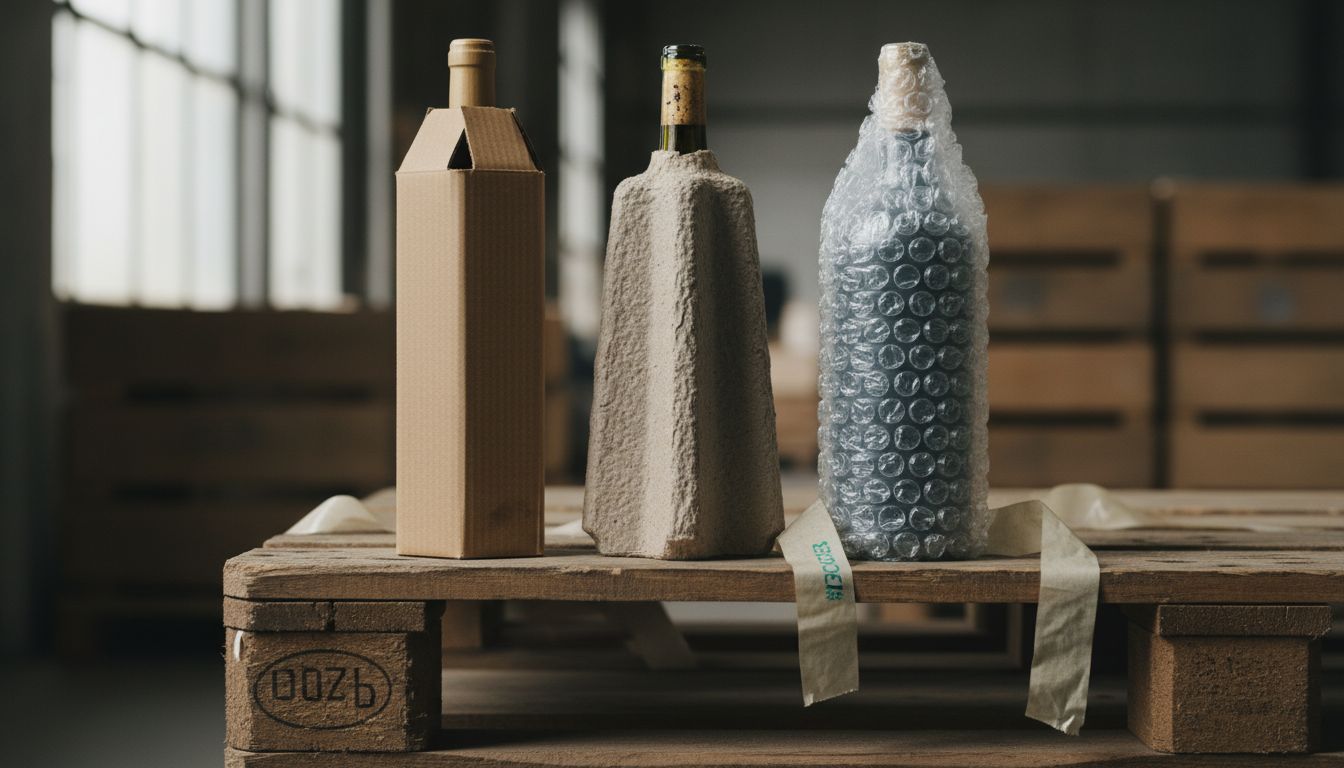
When choosing the right wine packaging, various aspects must be considered, such as material strength, insulation capacity, transport conditions, and desired presentation. Materials range from sturdy cardboard and wooden crates to specially shaped foam packaging that perfectly supports and protects the bottle.
Types of Wine Bottle Packaging and Applications
Wijngekken emphasizes that wine packaging has a wide range of applications and designs, ranging from practical transport solutions to sophisticated presentation packaging. This diversity reflects the specific needs of different sectors and uses.
Transport packaging is designed for maximum protection and efficiency:
- Standard cardboard boxes for bulk transport
- Foam packaging with shock-absorbing properties
- Wooden crates for heavy or delicate wines
- Insulated boxes for temperature-sensitive wines
For the retail market and gift packaging, there are more luxurious and aesthetically pleasing options. These packages combine protection with visual appeal:
- Elegant gift boxes with windows
- Decorated cardboard tubes
- Wooden boxes with a luxurious finish
- Special packaging for wine tastings and events
When choosing wine packaging, functionality, protection, and presentation play crucial roles. Packaging wine requires attention to details such as material strength, insulation, and the specific characteristics of the wine itself.
Materials and Protection Levels Explained
Wijngekken emphasizes that the choice of packaging material is crucial for protecting wine bottles. Different materials offer varying levels of protection, depending on specific transport conditions and the wine's fragility.
Protective materials for wine packaging include:
-
Cardboard : Lightweight and versatile
- Suitable for standard transport
- Various wall thicknesses available
- Good shock absorption
-
Styrofoam : High-quality shock absorption
- Exceptional impact protection
- Temperature insulating
- Ideal for delicate or expensive wines
-
Wooden crates : Robust protection
- Maximum strength
- Suitable for heavy wines
- Natural look
Packaging materials play a vital role in maintaining the quality and integrity of wine during transport and storage. The right material not only prevents damage but also protects the wine's flavor and composition.
Sustainability and Environmental Aspects of Packaging
Wijngekken (Wine Geeks) identifies a significant trend in the wine sector: the transition to more sustainable packaging solutions. The industry aims to develop fully recyclable packaging by 2022, with a specific focus on environmentally friendly alternatives.
Sustainable packaging strategies include:
- Weight reduction of traditional glass bottles
- Introduction of bag-in-box systems
- Elimination of non-recyclable coatings
- Use of recycled materials
Biodegradable packaging offers promising solutions to environmental challenges. Some wine producers are opting for innovative approaches such as recyclable bags without metal coatings, significantly reducing their carbon footprint.
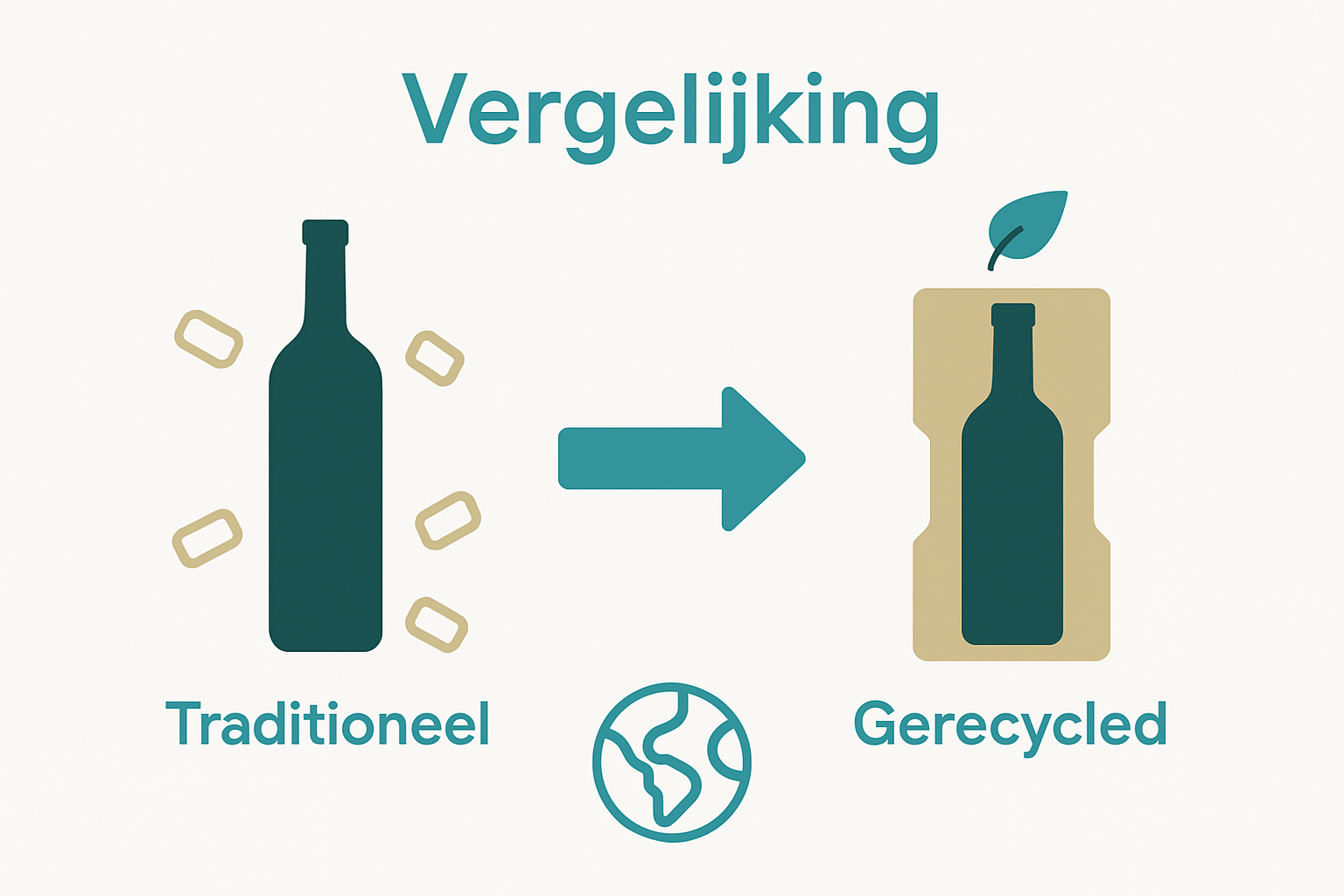
The transition to sustainable packaging goes beyond environmental protection. It reflects a broader shift in consumer awareness, with buyers increasingly placing value on environmentally responsible product choices and packaging materials.
Avoiding Common Mistakes in Wine Bottle Packaging
Wijngekken points out that many wine bottle packaging mistakes stem from a lack of specific, customized solutions. The most common mistakes occur when companies use standard packaging without considering the unique characteristics of different wines.
Critical Error Points in Wine Bottle Packaging:
-
Use of incorrect protective materials
- Insufficient shock absorption
- No temperature regulation
- Inadequate space between bottles
-
Ignoring transport conditions
- Not taking vibrations into account
- Lack of insulation layers
- Insufficient stability provisions
DIY packaging tips can help prevent common packaging mistakes. Professional packers always recommend carefully considering the specific characteristics of the wine, the transport medium, and the final destination when selecting the right packaging.
The ultimate challenge is finding the perfect balance between protection, presentation, and practicality. Every wine deserves packaging that respects its character and guarantees its safety.
Protect Your Wine with the Perfect Packaging
The challenge of packaging wine bottles lies in combining optimal protection with stylish presentation. As the article illustrates, it's about more than just strength. Wine bottles have specific requirements such as shock absorption, temperature regulation, and packaging that emphasizes your wine's story. Avoiding mistakes like using insufficient protective material or ignoring transport conditions is crucial for maintaining quality.
At Kadopapier.net, we understand these needs and offer a wide range of packaging materials that cater to the unique characteristics of wine packaging. Whether you're looking for sturdy cardboard boxes, protective tissue paper, or elegant gift wrapping, we have the right solution for you. Protect your wine with materials that truly work and ensure your packaging is as special as the wine itself.
Browse our collection now and discover how easy it is to package your wine with care and customization. Visit our website at Kadopapier.net and start finding the perfect packaging today. Your wine deserves the best protection and presentation.
Frequently Asked Questions
What are the main functions of wine packaging?
Wine packaging protects wine bottles from breakage and damage, regulates temperature during transport and storage, presents the wine aesthetically, and offers opportunities for personalized branding.
What materials are used for wine packaging?
Common materials for wine packaging include cardboard for lightweight protection, Styrofoam for shock absorption, and wooden crates for robust protection of heavier bottles.
How can I recognize sustainable wine packaging?
Sustainable wine packaging is often made from recycled materials, is fully recyclable or biodegradable, and has a lower carbon footprint by reducing the weight of traditional bottles.
What are common mistakes when packing wine bottles?
Common mistakes include using the wrong protective materials, ignoring transport conditions such as shock and temperature variations, and insufficient space between bottles in the packaging.