


Biodegradable Packaging: What and Why?
Biodegradable packaging is rapidly gaining ground. That sounds logical in a world where the environment is paramount. But did you know that regular plastic lasts for hundreds of years, while biodegradable packaging dissolves completely without harmful residue under the right conditions ? The surprising thing is that most people still have no idea which innovative materials make this possible and how widely these packaging materials are now being used. Even high-tech composite materials, made from simple plant fibers, are quietly shaping the future of packaging.
Table of contents
- What is biodegradable packaging?
- Why is biodegradable packaging important?
- How does biodegradable packaging work?
- The main materials for biodegradable packaging
- Practical applications and benefits in industry
Quick Summary
| Result | Explanation |
|---|---|
| Biodegradable is environmentally friendly | These packages break down quickly through natural processes, without harmful residues. |
| Packaging reduces plastic pollution | They significantly reduce plastic waste in oceans and ecosystems, which is essential for environmental protection. |
| Renewable raw materials are standard | Biodegradable materials are often produced from renewable resources such as starch and cellulose. |
| Improved brand perception and consumer demand | Companies that use sustainable packaging improve their image and attract environmentally conscious customers. |
| Innovation in various industries | Biodegradable packaging is increasingly being used in sectors such as food, cosmetics and e-commerce. |
What is biodegradable packaging?
Biodegradable packaging is an innovative packaging material designed to break down quickly and environmentally friendly after use. Unlike traditional plastic packaging, which can remain in the environment for hundreds of years, this special packaging can be broken down by microorganisms under specific conditions.
Definition and Properties
The Sustainable Packaging Knowledge Institute defines biodegradable packaging as materials that can be converted through microbiological processes into water, CO₂, and biomass. These packages have several key properties:
- Can be completely broken down by natural biological processes
- Leaves no harmful residues or microplastics
- Are produced from renewable raw materials such as starch, vegetable oils or cellulose
Composition and Materials
Biodegradable packaging can be made from a variety of materials. Some commonly used raw materials include:
- Polylactic acid (PLA) from corn starch
- Starch plastics
- Modified cellulose
- Vegetable protein
The Wageningen University & Research research emphasizes that these materials are carefully developed to break down effectively without harming the environment.
Below you will find an overview table that briefly summarizes the commonly used materials for biodegradable packaging, including their source and key properties.
| Material | Origin | Key Features |
|---|---|---|
| Polylactic acid (PLA) | Corn starch | Renewable, compostable, transparent |
| Starch plastics | Starch (potato, grain) | Biodegradable, flexible |
| Modified cellulose | Vegetable fibers | Durable, strong, leaves no microplastics behind |
| Polyhydroxyalkanoates (PHA) | Produced by bacteria | 100% biodegradable, versatile in use |
| Vegetable protein | Plant sources | Natural, compostable, suitable for packaging |
Looking for sustainable packaging solutions? Check out our Moss Green Organza Bag for an elegant and eco-friendly alternative.
Why is biodegradable packaging important?
Biodegradable packaging is a crucial innovation in the fight against environmental pollution and the overconsumption of traditional plastic packaging materials. It offers a sustainable solution to one of the most pressing environmental problems of our time: the enormous amount of waste generated by traditional packaging.
Environmental Impact and Sustainability
The main reason for the rise of biodegradable packaging is the significant reduction in environmental impact. Research by Wageningen UR Food & Biobased Research shows that this packaging can make a substantial difference in our ecological footprint. The benefits are numerous:
- Rapid decomposition without harmful residues
- Reducing plastic pollution in oceans and ecosystems
- Lower CO₂ emissions during production
- Use of renewable raw materials
Economic and Social Significance
Biodegradable packaging goes beyond just environmental protection. It represents a strategic shift in how companies and consumers view product packaging. It stimulates innovation in the manufacturing industry and meets the growing consumer demand for sustainable products.
This packaging is part of a broader movement toward a circular economy, where products at the end of their lifecycle can be integrated into natural biological processes. Want to contribute to this sustainable trend yourself? Discover our Light Blue organza bags as an elegant and environmentally conscious alternative.
How does biodegradable packaging work?
Biodegradable packaging is an advanced material designed to degrade through complex microbiological processes. This degradation process differs fundamentally from traditional plastic packaging and requires specific environmental conditions to occur effectively.
This table provides an overview of the three main stages of the biodegradable packaging degradation process and briefly describes what happens in each stage.
| Degradation phase | Description |
|---|---|
| Initiation | Microorganisms adhere to the material surface |
| Fragmentation | Material begins to physically disintegrate |
| Mineralization | Complete decomposition into water, CO₂ and biomass |
Microbiological Degradation Processes
The heart of biodegradable packaging is its ability to be broken down by microorganisms. Milieu Centraal explains that this process depends on:
- Specific bacteria and fungi
- Presence of sufficient oxygen
- Correct temperature and humidity
- Presence of enzymes that can break down polymer chains
Degradation stages and environmental factors
The degradation process of biodegradable packaging occurs in several critical stages. Three primary transformation phases are:
- Initiation : Microorganisms attach to the material surface
- Fragmentation : Material begins to physically disintegrate
- Mineralization : Complete decomposition in water, CO₂ and biomass
Discover our sustainable packaging solutions in our Lavender organza bag collection, perfect for environmentally conscious consumers.
The main materials for biodegradable packaging
Biodegradable packaging materials represent a revolutionary approach to sustainable product packaging. These innovative materials are designed to be environmentally friendly and can be broken down by natural biological processes, making them an attractive alternative to traditional plastic packaging.
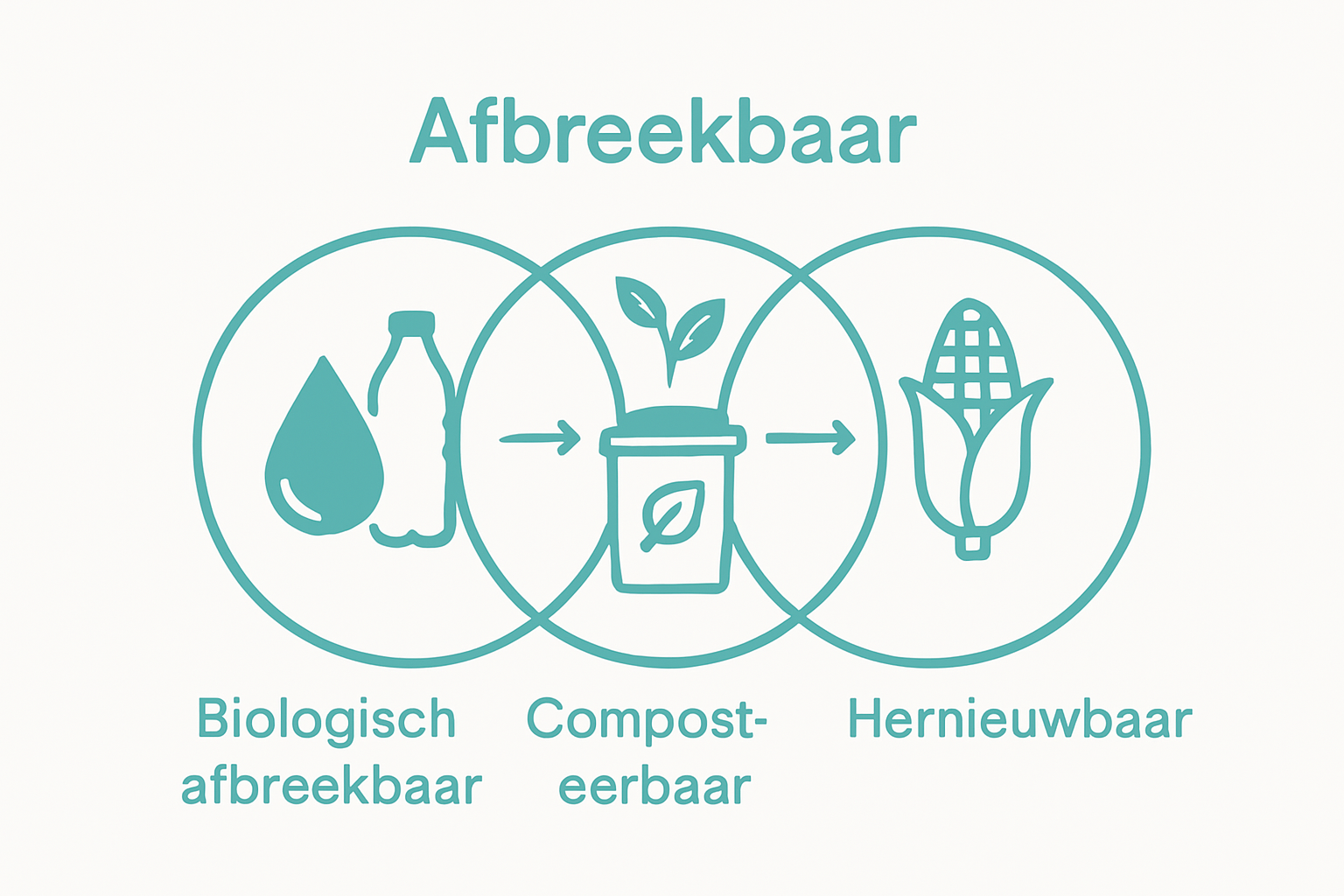
Plant-based Polymers and Raw Materials
Biobased Materials reports that the most common biodegradable materials are produced from renewable resources. These raw materials are distinguished by their low environmental impact and ability to be integrated into natural ecosystems:
- Polylactic acid (PLA) from corn starch
- Polyhydroxyalkanoates (PHA) produced by bacteria
- Cellulose compounds from vegetable fibers
- Starch-based polymers from potatoes and grains
Advanced Composite Materials
Modern biodegradable packaging is no longer limited to simple materials. Advanced composite materials combine various natural raw materials to create enhanced properties:
- Hybrid materials with enhanced mechanical properties
- Layered structures with different degradability levels
- Composites that have special functional properties
Discover our sustainable packaging solutions in our Ivory Luxury Organza Bags collection, perfect for eco-conscious consumers who value quality and sustainability.
Practical applications and benefits in industry
Biodegradable packaging is no longer a pipe dream, but a reality that is transforming more and more industries.
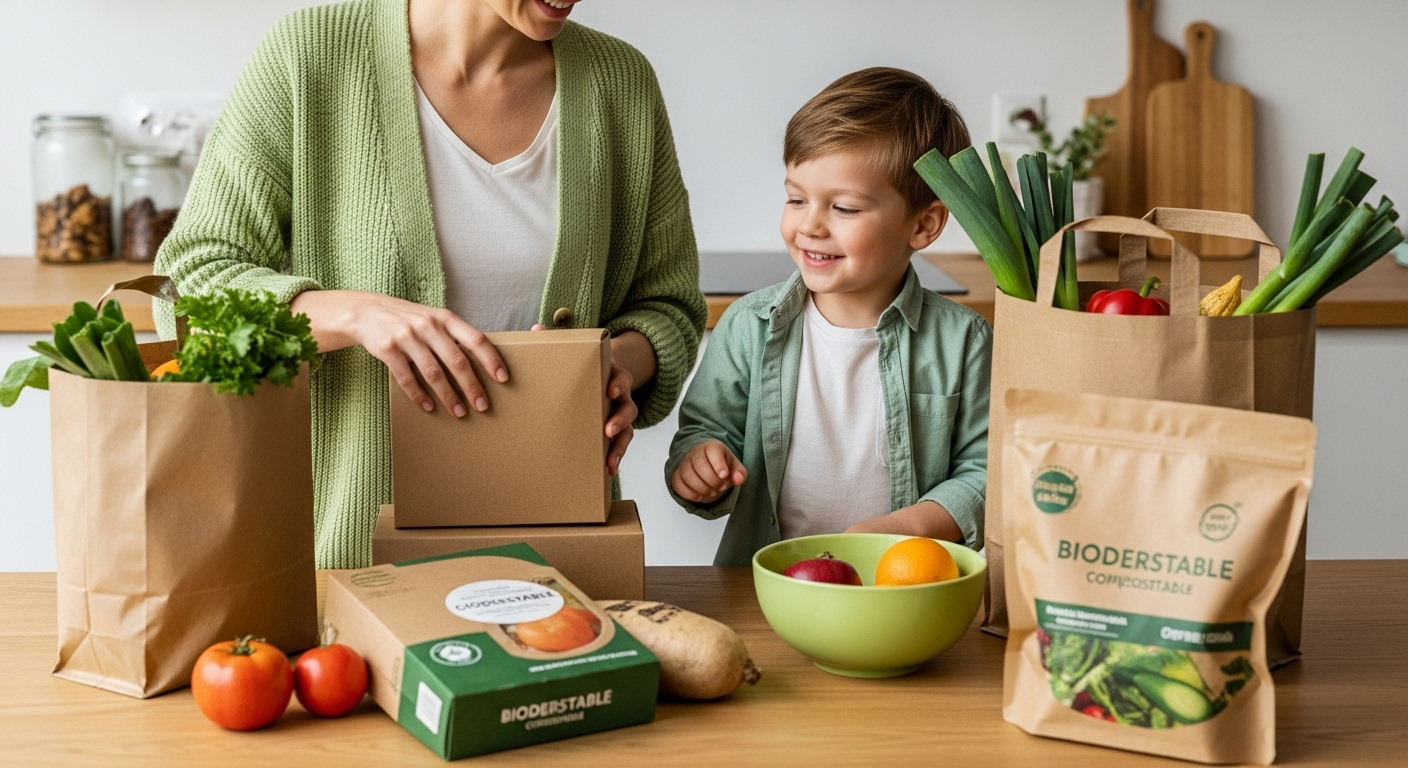 From food to electronics, companies are changing their packaging strategies to become more sustainable and environmentally friendly.
Sectors with Highest Potential
MVO Nederland emphasizes that some industries are particularly suitable for biodegradable packaging:
- Food industry
- Pharmaceutical sector
- Cosmetics and personal care
- E-commerce and logistics
- Agricultural products
Business Benefits and Strategic Added Value
Biodegradable packaging offers more than just environmental benefits . Companies experience numerous strategic advantages:
- Improving brand image and sustainability perception
- Attracting environmentally conscious consumers
- Reduction of carbon footprint
- Potential long-term cost savings
- Preparing for future sustainability regulations
Discover our elegant and sustainable packaging solutions in our Dark Blue Organza Bag collection, perfect for businesses that take sustainability seriously.
Make a difference immediately with sustainable gift packaging
Did you read the article about the significant environmental impact of traditional packaging? Perhaps you recognize the challenge: you want to wrap gifts beautifully and responsibly, but standard plastics don't align with your sustainable values. Biodegradable packaging offers the perfect solution, as discussed above. You too can switch to eco-friendly alternatives for all your gift-giving and business packaging.
Make the switch today and show that sustainability truly matters to you. Discover our wide range of eco-friendly gift bags, luxury wrapping paper, and original packaging materials at Kadopapier.net . Looking for green options right away? Then check out our Moss Green Organza Bag or Light Blue Organza Bags. Send a clear message to your customers or business partners and choose a more sustainable packaging option today.
Frequently Asked Questions
What is biodegradable packaging?
Biodegradable packaging is a material that can be broken down by microorganisms in the environment, allowing it to decompose quickly and environmentally friendly without leaving harmful residues.
How does the breakdown process of biodegradable packaging work?
The decomposition process involves several stages, including initiation, fragmentation, and mineralization, where microorganisms break down the material into water, CO₂, and biomass. This process requires specific environmental factors such as temperature, humidity, and oxygen.
What are the benefits of biodegradable packaging?
Some of the advantages include rapid decomposition without harmful residues, reduction of plastic pollution, lower CO₂ emissions during production and the use of renewable raw materials, which contributes to a more sustainable future.
What materials are used for biodegradable packaging?
Common materials include polylactic acid (PLA), starch plastics, polyhydroxyalkanoates (PHA), and cellulose. These materials are often based on renewable resources such as corn starch and vegetable oils.