


Clothing Packaging: Complete Guide to Choosing
More than 60 percent of all clothing brands consider packaging a calling card for their brand . In the textile industry, it's not just about protection against dust and damage. How clothing is packaged influences its appearance and even its environmental impact. Want to know what packaging options are available and how to make a sustainable choice that aligns with your brand identity? Here you can read what to look for and which trends are making a difference.
Table of contents
- What is clothing packaging?
- Different types of clothing packaging
- Materials and properties of packaging
- Applications in retail and e-commerce
- Sustainability, trends and common mistakes
Important Points
| Point | Details |
|---|---|
| Protection and Presentation | Packaging is crucial for protecting garments and presenting a professional image to customers. |
| Choice of Packaging Materials | Brands should select packaging materials based on sustainability, functionality and brand identity. |
| Sustainability focus | Sustainability is key, with a shift towards reusable and biodegradable packaging. |
| Packaging strategies in e-commerce | Effective packaging strategies enhance brand awareness and provide protection during shipping. |
What is Clothing Packaging?
Clothing packaging is more than just a means of covering garments—it's a vital component of protection, presentation, and logistics in the textile industry. According to netex, packaging in the textile industry serves several crucial purposes: protecting garments, transporting them efficiently, and providing a professional appearance.
Features of Clothing Packaging include:
- Protection against dust, dirt and damage
- Maintaining quality during storage and transport
- Professional presentation of clothing items
- Opportunity for branding and brand recognition
In the modern textile industry, various types of packaging are available, ranging from simple plastic bags to sophisticated, reusable packaging materials. Sustainability is playing an increasingly important role in this. Reusable packaging, such as luxury covers and reusable laundry bags, is gaining popularity because it not only saves costs but also contributes positively to environmentally conscious business practices.
For businesses and retailers, choosing the right packaging is a strategic decision. Packaging not only protects the product but also communicates the brand's quality and care. Check out our explanation of retail packaging materials for more in-depth insights into selecting the ideal packaging for various clothing items.
Different Types of Clothing Packaging
The world of clothing packaging is diverse and complex, with countless options designed for different purposes and garment types. Packaging materials range from simple protective solutions to advanced, eco-friendly alternatives that combine both functionality and aesthetics.
Classic packaging formats include:
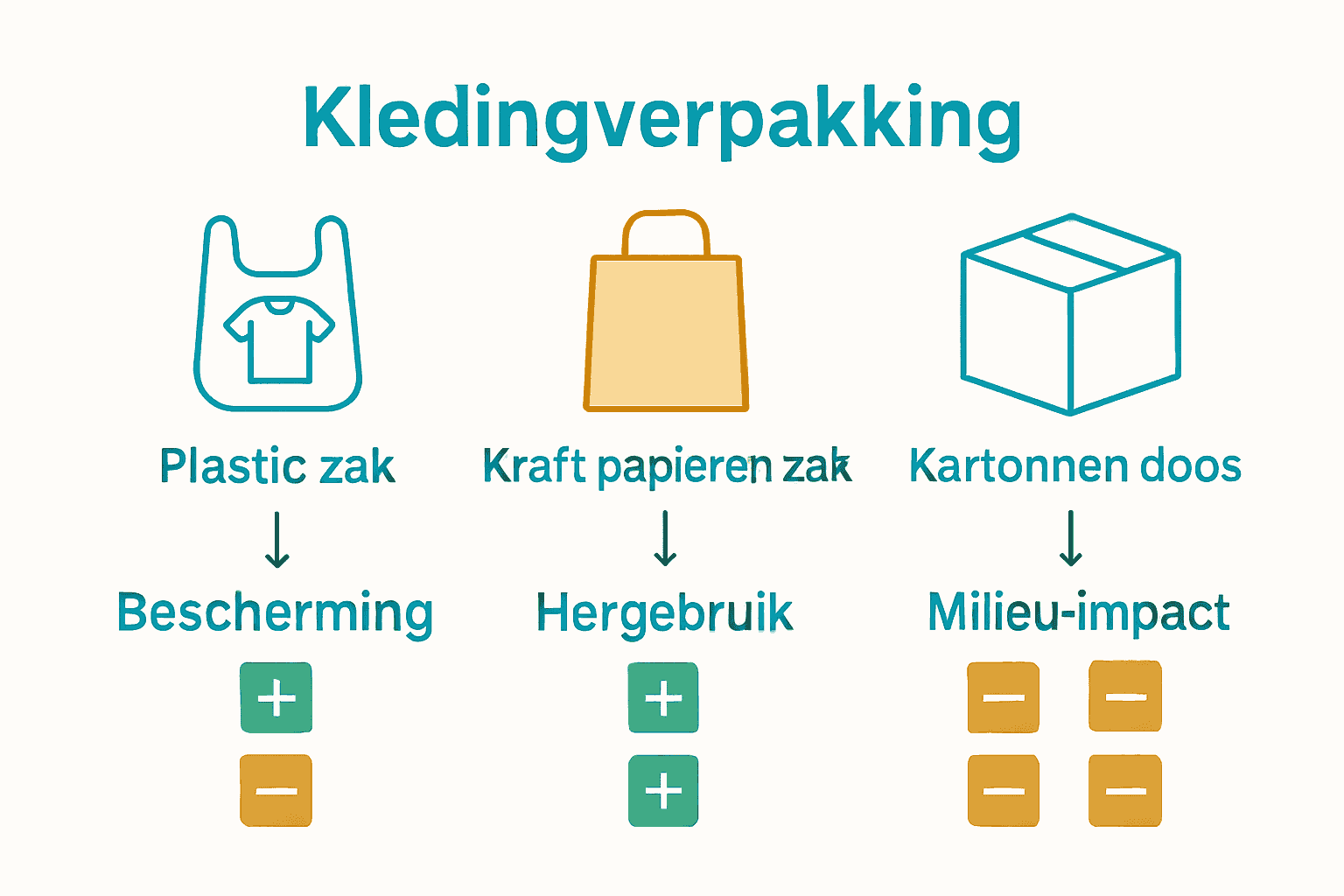
- Plastic Bags : Transparent and lightweight
- Kraft Paper Bags : Sustainable and Natural
- Cardboard Boxes : Sturdy and suitable for transport
- Hanging packaging : Ideal for garments that must not get wrinkled
For modern brands that prioritize sustainability, innovative alternative packaging materials are available for every industry . These materials are not only environmentally friendly but also offer unique opportunities for brand presentation and differentiation.
When choosing the right packaging, factors such as product type, transport conditions, environmental impact, and brand identity should be considered. Some brands opt for minimal, sleek packaging, while others choose eye-catching, luxurious packaging solutions that enhance the brand experience.
Materials and Properties of Packaging
Clothing packaging materials are much more than simple wrappings—they are complex solutions that combine protection, presentation, and functionality. The Netherlands Nutrition Centre emphasizes that packaging materials must not only protect products but also meet strict safety standards to prevent harmful substances from migrating.
Features of Quality Packaging include:
- Protection level : Resistance to external influences
- Breathability : Prevents moisture build-up
- Sustainability : Suitability for reuse
- Environmental impact : Recyclability and degradability
Modern clothing packaging is available in various materials with unique properties.
Below is an overview of common clothing packaging materials and their key properties:
| Packaging material | Protection level | Sustainability | Environmental impact |
|---|---|---|---|
| Plastic bags | High | One-time use | Bad, not biodegradable |
| Kraft paper bags | Moderate | Multi-use/Recyclable | Good, biodegradable |
| Cardboard boxes | Very high | Reusable | Good, recyclable |
| Reusable covers | High | Very good | Good, less waste |
| Compostable bags | Moderate | One-time use | Excellent, compostable |
For brands seeking to combine quality and sustainability, it's essential to select packaging materials that are not only functional but also project a positive image of the product and the brand. The right packaging communicates quality, provides protection, and contributes to a complete brand experience.
Applications in Retail and E-commerce
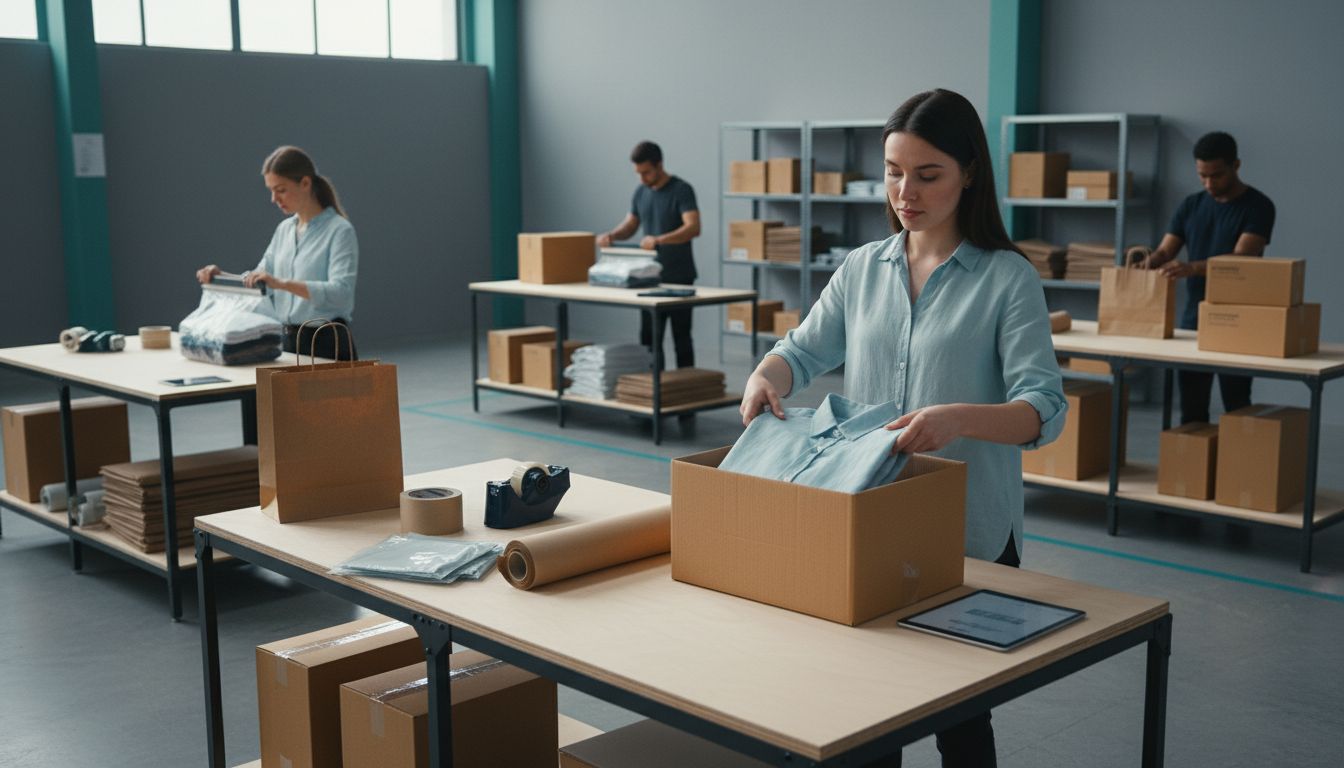
In today's retail and e-commerce world, packaging plays a crucial role in protecting and presenting products. Wehkamp Retail Group perfectly demonstrates how differentiated packaging strategies can work: plastic shipping bags for clothing, special hanging bags for hanging garments, and cardboard boxes for heavier or larger products.
Packaging solutions for E-commerce include:
- Polybags : Lightweight protection for individual garments
- Shipping boxes : Sturdy and suitable for multiple items
- Coated kraft bags : Water resistant and professional
- Numbered packages : Tracking and efficiency
According to De Producent, the right packaging not only enhances brand experience but also protects the product during shipping. Modern retailers carefully tailor their packaging solutions to their specific collection and customer expectations. 10 smart packaging tips for online store success can help companies optimize their packaging strategy and improve the customer experience.
The ultimate goal of packaging in retail and e-commerce is twofold: maximum product protection and creating an unforgettable first impression for the customer. By investing wisely in the right packaging solutions, brands can enhance their competitive advantage and strengthen customer loyalty.
Sustainability, Trends and Common Mistakes
The apparel packaging industry is currently undergoing a major transformation, with sustainability at its core. Environmental responsibility is no longer an option, but a necessity for modern brands that want to survive and thrive.
Common Packaging Mistakes Include:
- Excessive use of plastic materials
- Not taking recyclability into account
- Ignoring environmental impact
- Lack of minimalist design
For brands that truly want to operate sustainably, biodegradable packaging offers a promising solution. Modern sustainability trends are focusing on materials that can be easily recycled or reused, such as recycled paper, organic fibers, and compostable packaging.
The future of packaging lies in smart, circular solutions that minimize environmental impact without compromising quality and aesthetics. By making conscious choices, brands can not only reduce their environmental footprint but also strengthen their brand value by demonstrating transparency and social responsibility.
Discover the perfect packaging solution for your clothes
Choosing the right clothing packaging is essential for protecting your valuable items and strengthening your brand identity. Many brands struggle to find a balance between sustainability, protection, and a professional image. Consider avoiding excessive plastic use, ensuring breathable materials, and choosing eco-friendly alternatives that appeal to your customers.
At Kadopapier.net, we understand this challenge and offer a wide range of packaging materials perfectly suited to your needs. From sturdy cardboard boxes to stylish kraft paper bags and biodegradable packaging, use our specialized collection to package clothing safely, attractively, and sustainably. Want to learn more about innovative packaging materials that will differentiate your brand? Be sure to check out our comprehensive guide on alternative packaging materials for every industry and the advantages of paper versus plastic packaging.
Ready to take your clothing packaging to the next level? Visit Kadopapier.net today and discover how our high-quality, sustainable packaging solutions can strengthen your brand and increase customer satisfaction.
Frequently Asked Questions
What is the importance of packaging for clothing?
Clothing packaging is essential for protection, professional presentation, and maintaining quality during transport and storage. It also plays a significant role in branding and brand recognition.
What types of packaging are there for clothing?
There are different types of clothing packaging, such as plastic bags, kraft paper bags, cardboard boxes and reusable covers, each with unique properties and applications.
How do I choose the right packaging for my clothes?
When choosing the right packaging, consider factors such as the type of clothing, transport conditions, environmental impact, and your brand identity. Consider the packaging's functionality and appearance.
What are the sustainability trends in clothing packaging?
Sustainability is a key trend in the apparel packaging industry, with a focus on reusable, biodegradable, and recycled materials that contribute to environmental responsibility and reduced environmental impact.